
Gardens at the zoo
Native plants and pollinators
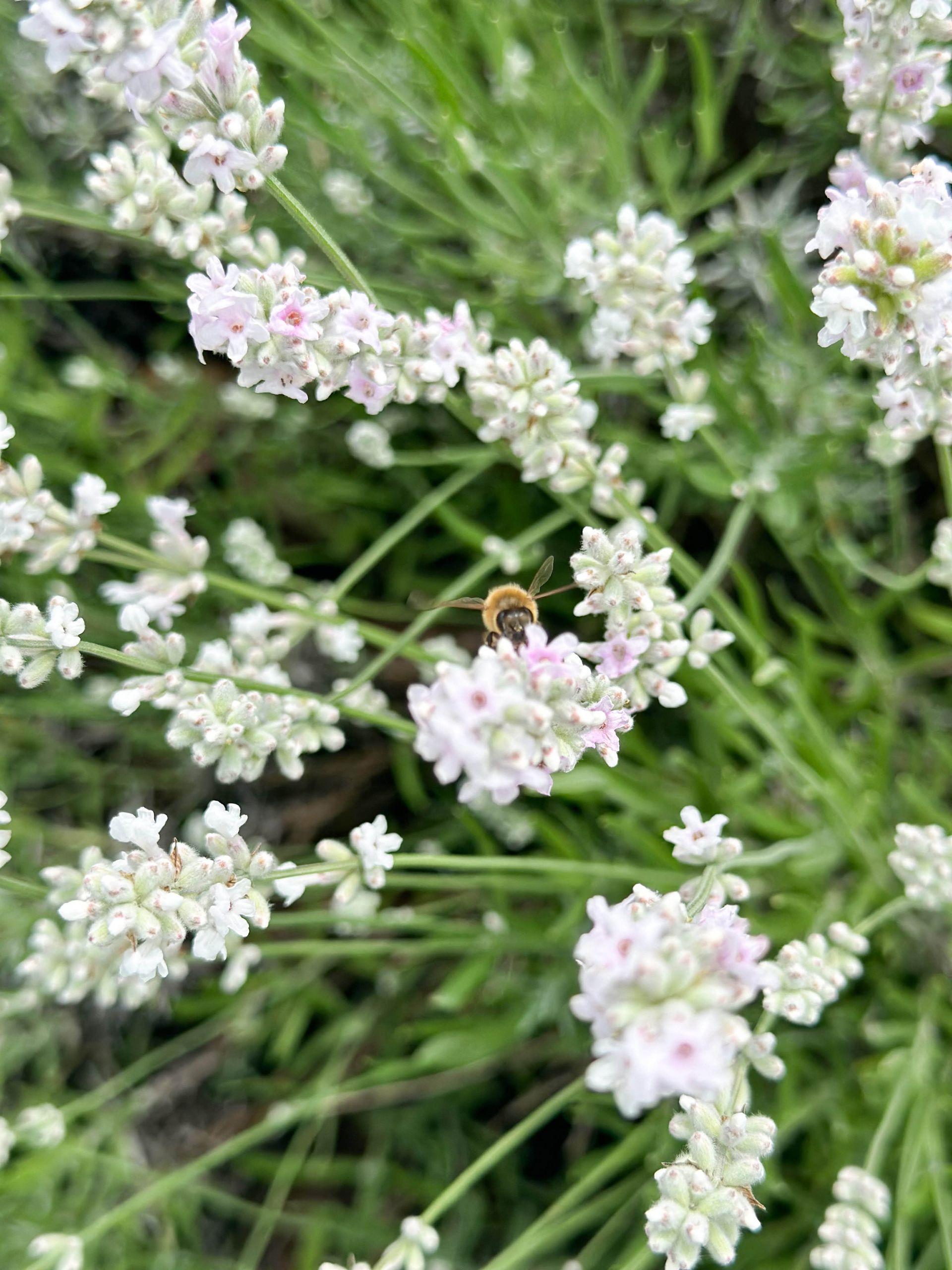
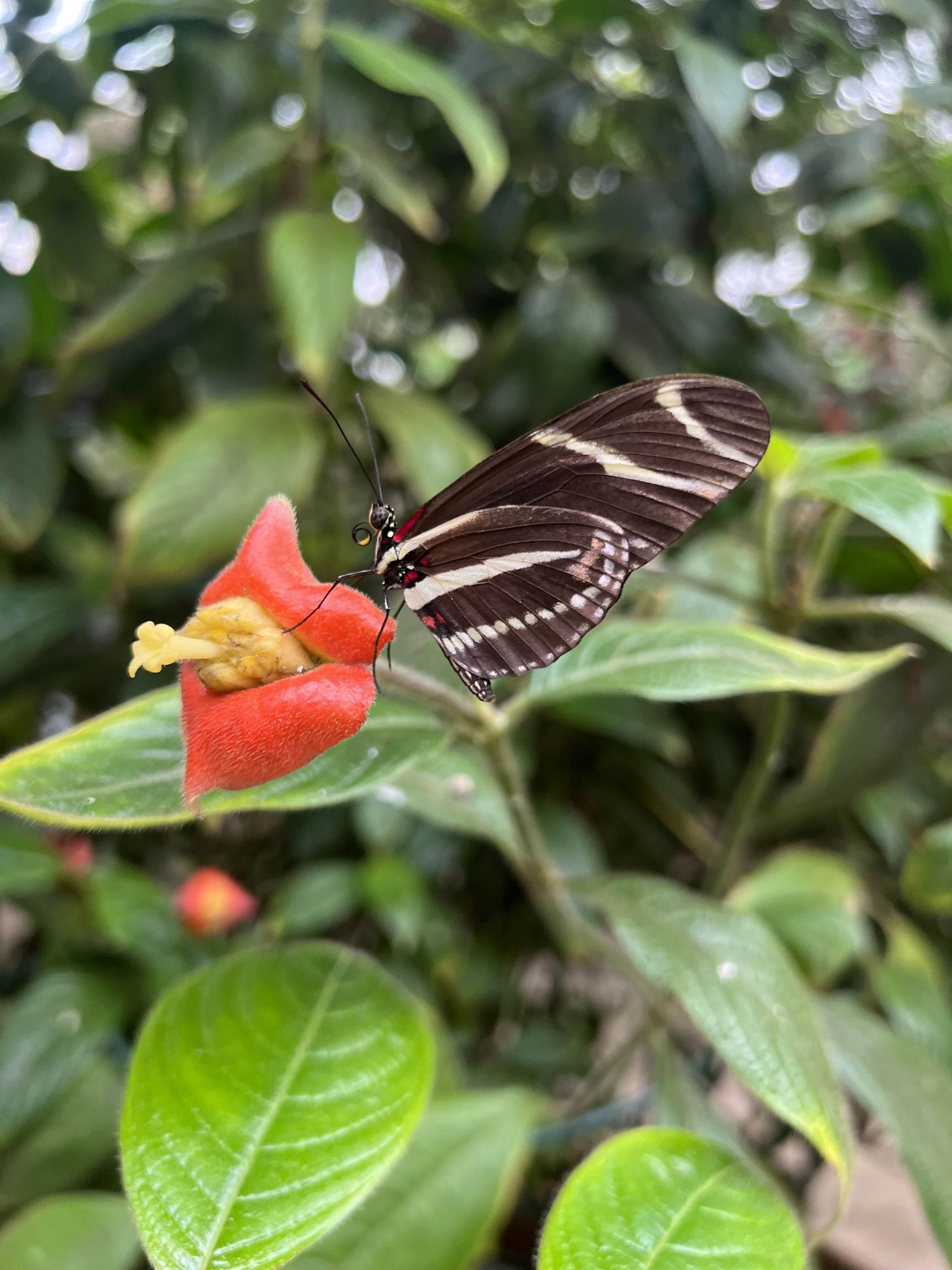
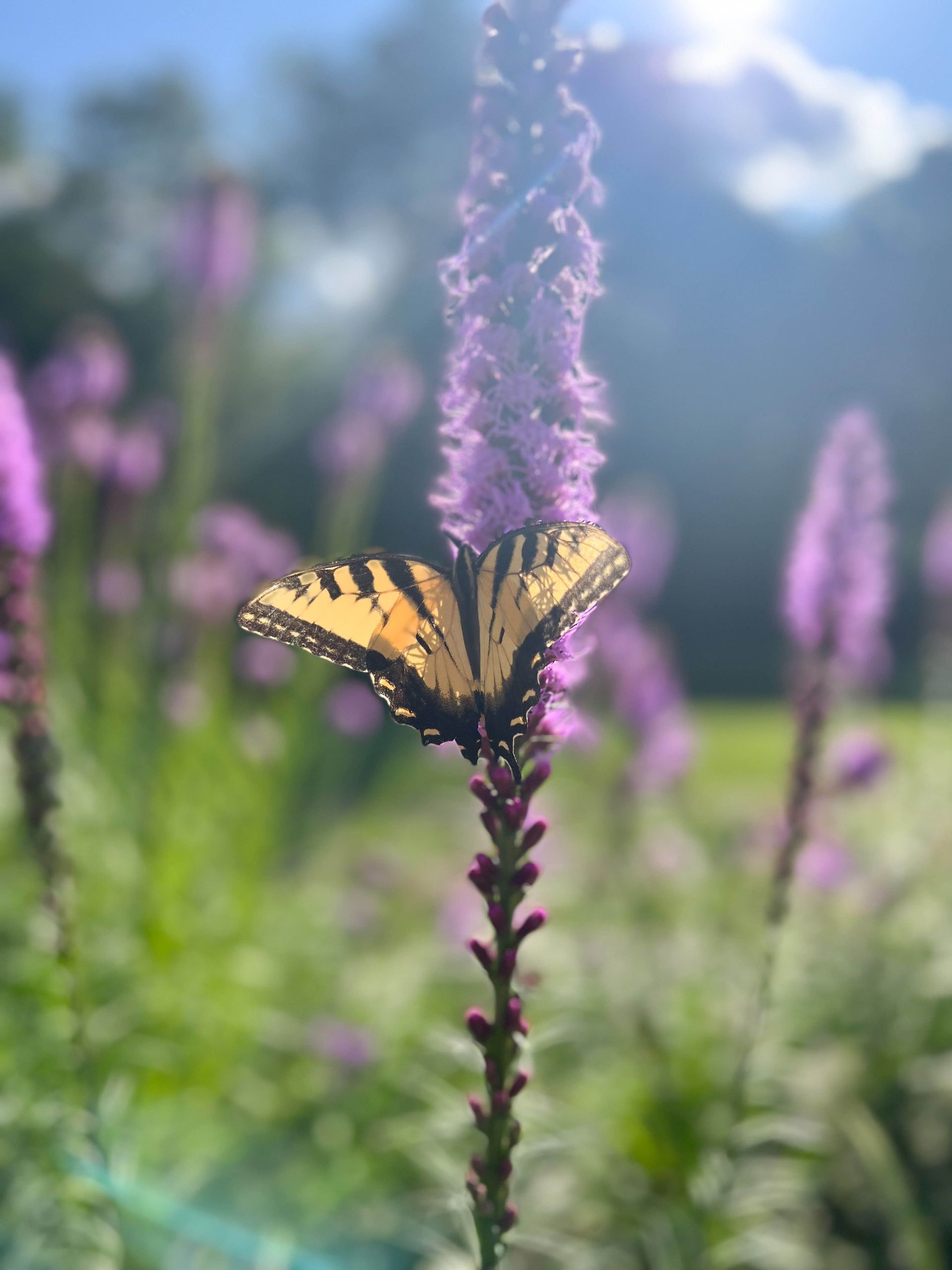
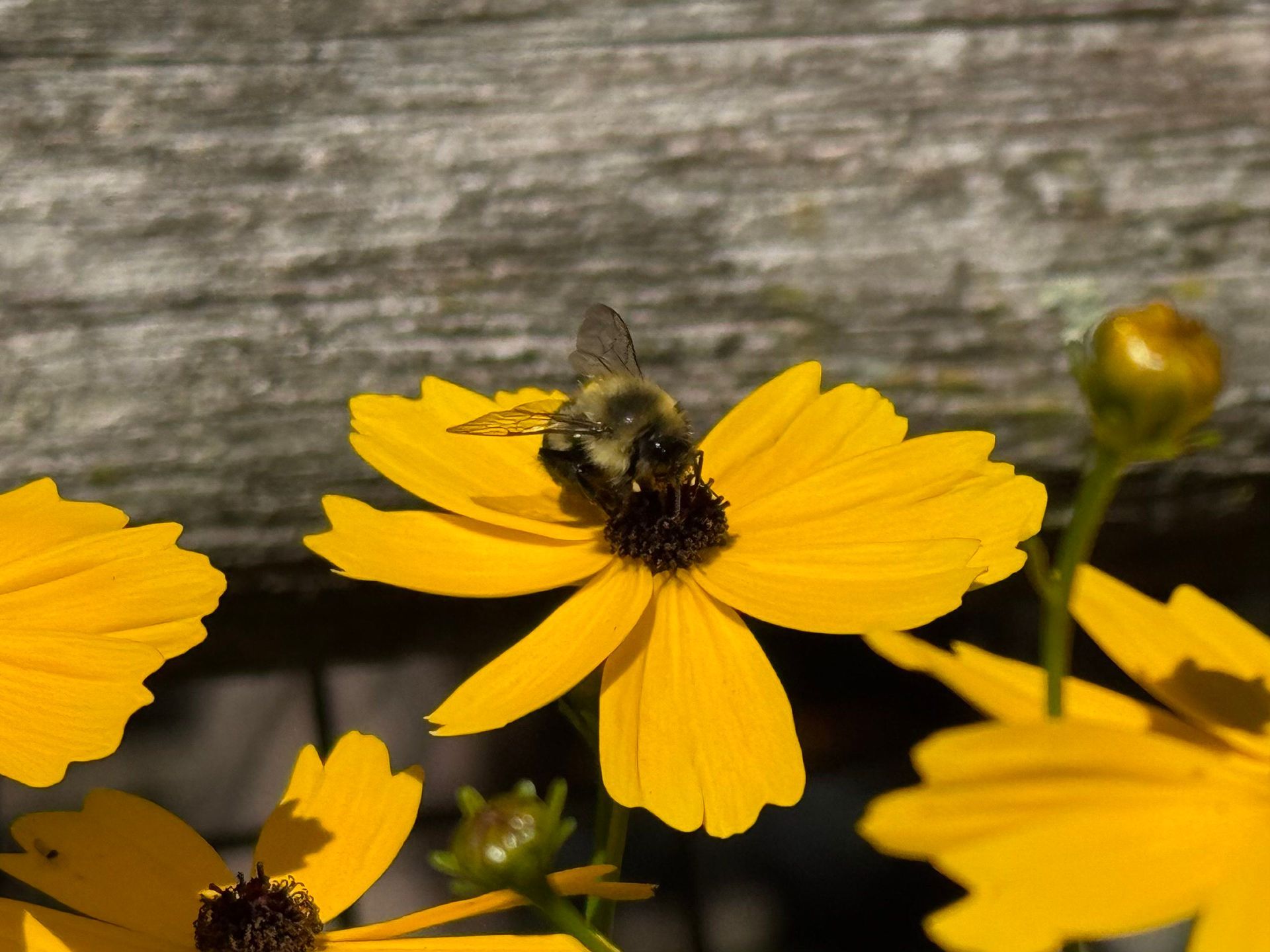
Explore the Native Plant gardens throughout The Zoo. These gardens feature a variety of plants that are native to North America and welcome many pollinators.
New Paragraph
Garden sponsors
The Zoo in Forest Park & Education Center is proud to collaborate with the Hampden Hampshire Conservation District and Wing and a Prayer Plant Nursery who helped make these gardens possible. To learn more about HHCD click the link here.
New Paragraph
faq
How can I help pollinators at home?
Some ways you can help pollinators are by planting native plant gardens, offering water sources, and avoiding the use of pesticides.
What are the best plants for pollinators?
The best plants for pollinators are those that offer nectar rich blooms. Some examples of native and highly effective pollinator plants include: Bee Balm, Coneflower, Dogwood, Goldenrod, Cardinal Flower, and Mountain Mint.
what is a pollinator?
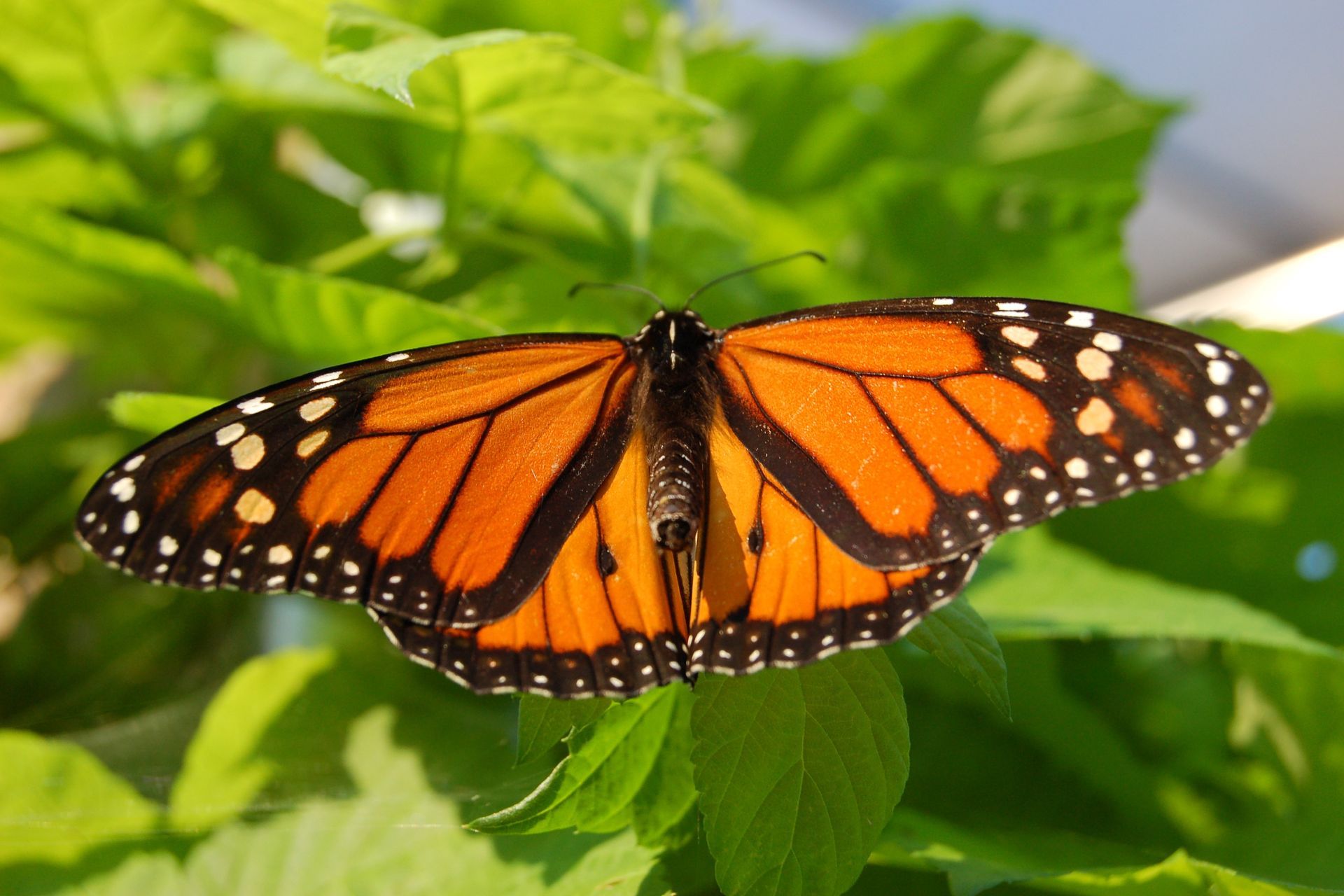
A pollinator is anything that helps move pollen from one part of a flower to another. This movement assists in the fertilization process. Some common types of pollinators include: Butterflies, Moths, Flies, Bees, Wasps, Beetles, Bats, and Hummingbirds.
Why are pollinators important?
Pollinators assist in the process of flower reproduction. Without the fertilization of a plant, they will not be able to produce seeds and fruit.